Everything you need to start, sustain, and optimize an intermittent fasting practice — with science-backed strategies for every body type and health goal.
Decades of research support IF as one of the most effective dietary strategies for metabolic health, longevity, and body composition — without requiring calorie counting.
⚖️
Weight & Fat Loss
By restricting your eating window, IF naturally reduces caloric intake and shifts the body into fat-burning mode. Insulin levels drop significantly, unlocking stored body fat for energy.
🧠
Mental Clarity
Many people report sharper focus during fasting. The brain runs efficiently on ketones, and the absence of post-meal glucose crashes eliminates the afternoon brain fog cycle.
🔬
Cellular Repair
Fasting triggers autophagy — the body's cellular clean-up mechanism. Damaged proteins and organelles are broken down and recycled, linked to reduced inflammation and longevity.
💉
Insulin Sensitivity
Regular fasting lowers baseline insulin levels and improves sensitivity, reducing risk of Type 2 diabetes and metabolic syndrome over time.
❤️
Cardiovascular Health
IF can reduce LDL cholesterol, triglycerides, inflammatory markers, and blood pressure — major cardiovascular risk factors — even independent of weight loss.
🌙
Simplified Eating
Fewer meals means less planning and decision fatigue. Most practitioners report IF fits naturally into their lifestyle within a few weeks.
Choose Your Method
Intermittent Fasting Protocols
There is no single correct IF protocol. Each has different trade-offs in simplicity, sustainability, and physiological impact. Choose the one that fits your life.
12:12
The Circadian Fast
12 hrs eating · 12 hrs fasting
Beginner
The gentlest entry point. Eating from 8am–8pm and fasting overnight aligns with your natural circadian rhythm. Widely tolerated and easy to sustain long-term.
14:10
The Gentle Stretch
10 hrs eating · 14 hrs fasting
Beginner+
A natural next step from 12:12. Eating from 9am–7pm or 10am–8pm. Studies show meaningful improvements in metabolic markers at this window while remaining socially manageable.
16:8
The Leangains Method
8 hrs eating · 16 hrs fasting
Most Popular
The most widely practiced IF protocol. Typically eating noon–8pm. Proven effective for fat loss, insulin sensitivity, and muscle preservation when protein intake is adequate.
18:6
The Advanced Window
6 hrs eating · 18 hrs fasting
Advanced
A compressed 6-hour window delivers powerful metabolic effects and deep autophagy. Requires good adaptation to 16:8 first. Social eating and travel can make this challenging to sustain.
5:2
The 5:2 Diet
5 normal days · 2 low-calorie days (500–600 kcal)
Flexible
Limits calories to 500–600 on two non-consecutive days while eating normally the other five. Popular for its weekly rather than daily discipline.
OMAD
One Meal a Day
1 hr eating · 23 hrs fasting
Expert Only
A single large meal per day creates profound metabolic adaptations but demands significant prior fasting experience and excellent dietary discipline to avoid micronutrient deficiencies.
Your First Steps
How to Start Intermittent Fasting
Success with IF comes from gradual adaptation, not willpower. Most people find a sustainable rhythm within 2–4 weeks following these steps.
1
Pick Your Protocol
Start with 12:12 or 14:10 regardless of your goal. You can always extend your fasting window later. Jumping straight to 16:8 increases dropout rates and unpleasant side effects.
2
Set Your Eating Window
Choose a consistent eating window that fits your social life and work schedule. Consistency matters more than exact hours — your circadian clock adapts to predictable patterns.
3
Optimize Your First Meal
Break your fast with protein and fat before carbohydrates. This blunts the insulin response and sets up stable blood sugar for the rest of your eating window.
4
Manage the Fasting Window
Black coffee, plain tea, sparkling water, and electrolyte drinks (no sugar) are your allies. They suppress appetite, maintain hydration, and don't break your fast.
5
Track & Adjust
Keep a simple log for the first 4 weeks: energy, hunger peaks, sleep quality, and workout performance. Use this data to adjust your window timing and meal composition.
6
Progress Gradually
Once comfortable at your current window for 3–4 consecutive weeks without issues, extend the fast by 30–60 minutes. There is no rush — sustainable change beats aggressive short-term restriction.
Science
How Fasting Affects Blood Sugar
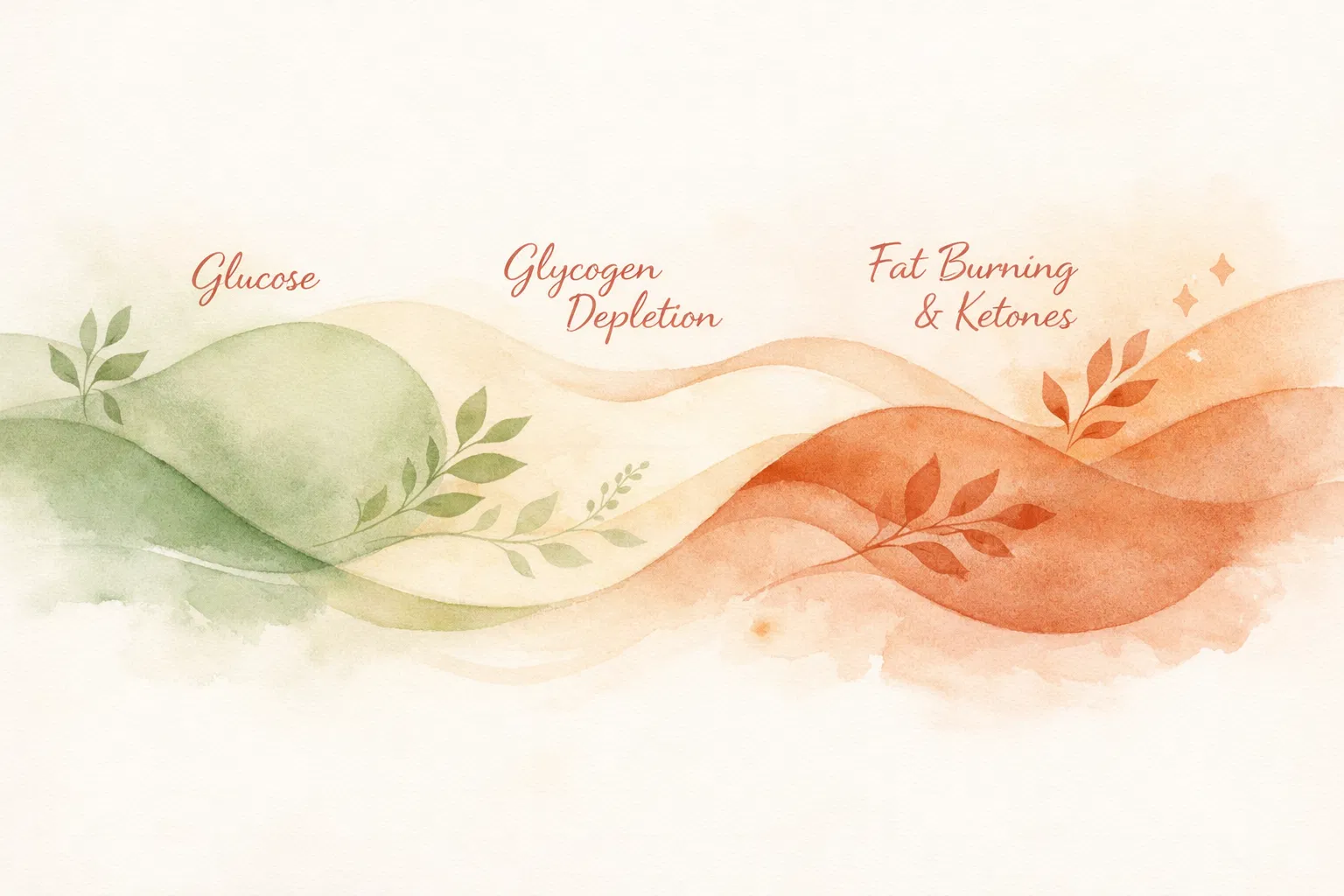
When you fast, your body undergoes several physiological shifts to maintain energy levels. Initially, the body uses glucose from the bloodstream. Once depleted, it taps glycogen stores in the liver and muscles. As glycogen runs low, the body begins burning fat and producing ketones.
Normal Blood Sugar Response
In healthy individuals, blood glucose is tightly regulated during fasting. Glucagon stimulates the liver to release stored glycogen, maintaining glucose in a safe 70–100 mg/dL range for many hours.
Glucose drops gradually and stabilizes
Liver glycogen release maintains safe levels
Fat oxidation begins around hour 12–16
Fasting Hypoglycemia
Occurs when the body cannot maintain adequate blood sugar during fasting due to impaired glycogen regulation or other metabolic factors.
Low glycogen stores
Metabolic inflexibility
Extended fasting periods
Reactive Hypoglycemia
Occurs within 4 hours after a meal due to excess insulin secretion in response to carbohydrate intake.
High-carb meal triggers excess insulin
Blood sugar crashes below baseline
Common with refined carb consumption
Practical Strategies
Keys to a Successful IF Practice
These evidence-based strategies help sustain intermittent fasting, stabilize energy, and avoid the most common pitfalls.
📈
Start with your chosen protocol and resist the urge to push further until you've maintained it comfortably for 3–4 consecutive weeks. Adaptation — not deprivation — is what creates long-term results. Most people who fail at IF started too aggressively.
🥗
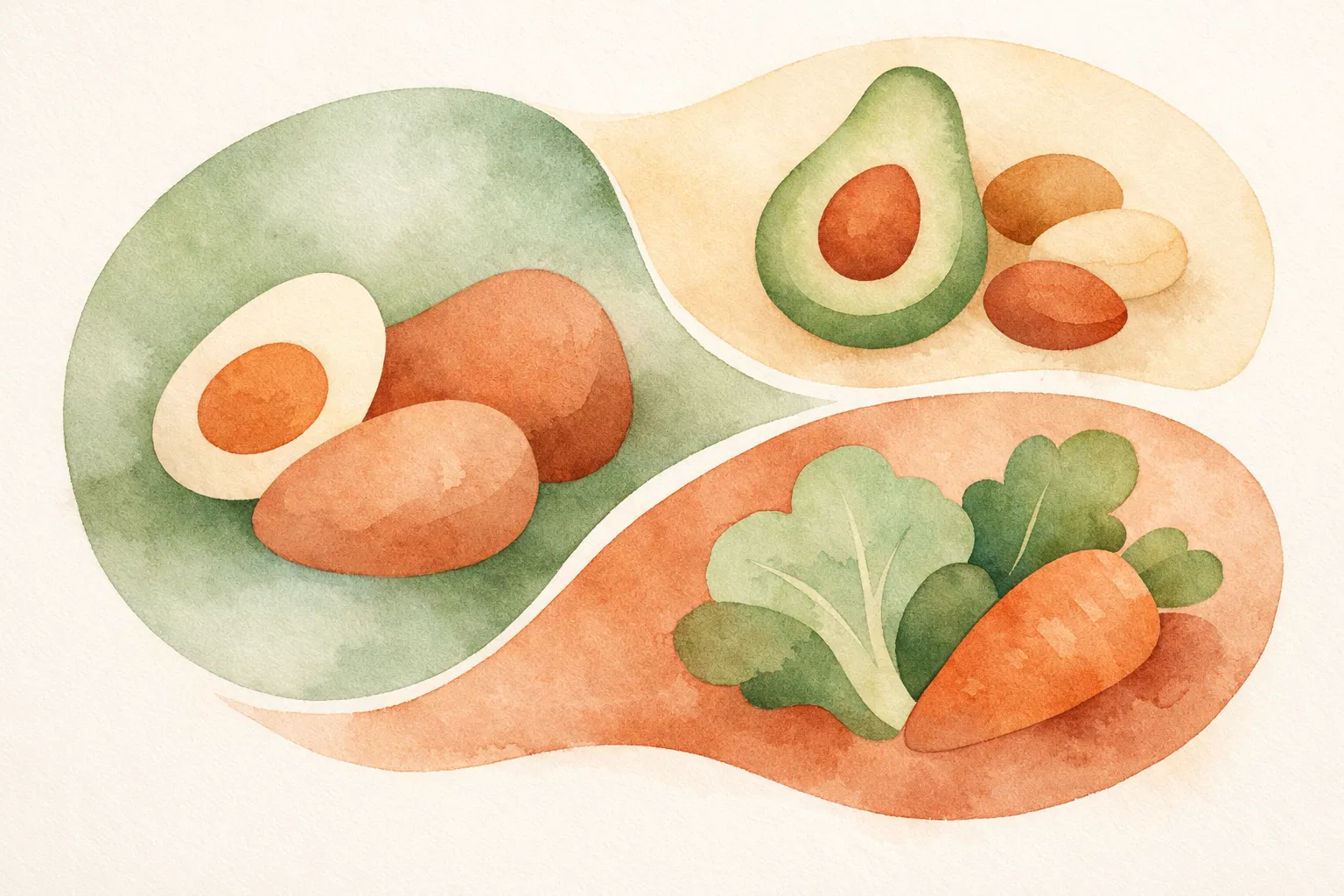
The combination of protein, healthy fats, and fiber slows glucose absorption, maximizes satiety, and sustains energy across the eating window. Aim for 30–40g protein at your first meal. Examples: eggs + avocado + greens, salmon + olive oil + vegetables, or legumes + nuts + cruciferous veg.
⚡
Sodium, potassium, and magnesium are excreted more rapidly during fasting as insulin levels drop. Replenish with a pinch of sea salt in morning water, magnesium glycinate at night, and potassium-rich foods in your eating window. This prevents the "fasting flu" — headaches, fatigue, and irritability that drive most people to quit in week one.
🍎
One to two tablespoons of ACV diluted in 8 oz of water, 15 minutes before your first meal, has been shown to improve insulin sensitivity and flatten the postprandial glucose curve. This reduces energy crashes and hunger spikes in the hours following a meal.
🏋️
Light to moderate fasted exercise accelerates fat oxidation and is beneficial for most people. High-intensity training is best scheduled at the end of the fasting window or just after your first meal, when glycogen stores can be quickly replenished.
📊
Keep a simple log for the first 4 weeks: energy, hunger, sleep, workout performance, and mood. Patterns will emerge — your ideal meal timing, which foods sustain you longest, and when your natural hunger peaks occur. This data is far more valuable than generic advice.
Quick Reference
IF Best Practices Summary
Strategy
Action
Why It Works
Break Fast Gently
Start with nuts, avocado, or eggs before a full meal
Prevents the insulin surge after an extended fast
Avoid Refined Carbs
No white bread, sugary drinks, or pastries in your first meal
Prevents the spike and crash cycle
Salt & Water
Pinch of sea salt in morning water
Prevents fasting flu symptoms and electrolyte loss
Pre-Meal ACV
Diluted ACV 15 mins before eating
Flattens the glucose curve and supports insulin sensitivity
Stay Hydrated
2–3L water daily; herbal teas during fasting
Reduces hunger, supports metabolism and liver function
Emergency response to hypoglycemic episodes during fasting
Monitor Glucose
Check blood sugar pre- and post-fast for first 2–4 weeks
Establishes personal glucose baseline and identifies risk windows
Common Questions
Frequently Asked Questions
Click any question to reveal the answer.
Intermittent fasting is an eating pattern that cycles between defined periods of eating and fasting. Unlike diets that specify what to eat, IF focuses primarily on when you eat. The fasting period allows insulin levels to drop, shifting the body from glucose-burning to fat-burning mode — a metabolic state called lipolysis.
Not exactly. While IF does not prescribe specific foods, food quality within your eating window strongly influences your results. Ultra-processed foods, refined carbohydrates, and excessive caloric intake will undermine the metabolic benefits of fasting. Prioritize protein, healthy fats, fiber-rich vegetables, and whole food carbohydrates within your window.
Black coffee (no milk, cream, or sugar) is generally acceptable and does not significantly break a fast. It may enhance fat oxidation and suppress appetite. Caffeine does raise cortisol in some individuals, which can affect blood glucose — if you notice jitteriness or crashes after coffee on an empty stomach, switch to green tea or plain water.
Most people experience a 2–4 week adaptation period. Symptoms like increased hunger, mild headaches, or fatigue as the body transitions to metabolic flexibility typically peak around days 4–7 and resolve by week 3. Staying well-hydrated and maintaining electrolytes significantly reduces adaptation discomfort.
Break your fast with protein and fat before carbohydrates. A handful of nuts, half an avocado, two boiled eggs, or a small portion of Greek yogurt are ideal. Wait 20–30 minutes, then eat a full balanced meal. Avoid breaking your fast with juice, fruit, or refined carbs alone — these cause a rapid glucose spike followed by a crash.
Short-term IF has not been shown to reduce metabolic rate — some studies show a modest increase due to norepinephrine release during fasting. Prolonged severe caloric restriction combined with IF can down-regulate metabolism, but this is avoided by ensuring adequate protein intake (0.7–1g per pound of lean body mass) and maintaining reasonable overall caloric intake.
Light to moderate exercise (walking, yoga, gentle cycling) is fine and beneficial during a fast. High-intensity training is best placed at the end of the fasting window or just after breaking your fast. Many athletes adapt to fasted training over time, but the transition should be gradual — reduce intensity by 20–30% for the first 2–3 weeks of fasted training.
Yes, but women may be more sensitive to the hormonal effects of extended fasting. Some report menstrual irregularities with aggressive protocols (18:6 or longer). A 12:12 or 14:10 approach is generally well-tolerated. Women who are pregnant, breastfeeding, or trying to conceive should avoid IF until consulting a healthcare provider. Cycling fasting intensity with the menstrual cycle (gentler during the luteal phase) can also help.
True fasting hunger is intermittent — it peaks around your usual meal times and passes within 20–30 minutes if you don't act on it. Strategies that help: sparkling water, black coffee or herbal tea, brief light activity, and reframing the hunger signal as confirmation you're in fat-burning mode. Hunger typically diminishes significantly after the first 2 weeks.
IF focuses on when you eat; calorie restriction focuses on how much. They work through different mechanisms — IF primarily acts through insulin reduction and circadian alignment, while calorie restriction acts through energy deficit. They can be combined, but IF often achieves similar or better results for metabolic health without requiring calorie counting, which drives better long-term adherence for most people.
Medical Disclaimer: This information is for educational purposes only and does not constitute medical advice. Individuals with diabetes, those on blood-sugar-lowering medications, or those with other underlying health conditions must consult with a healthcare professional before attempting intermittent fasting.
Ready to Start Your Fasting Journey?
Gradual transitions, consistent timing, and quality nutrition are the foundations of a sustainable IF practice.